
A Simple Meal Planning Strategy for Busy Weeks

Updated: Oct 12
If you're new to meal planning, figuring out what to cook each week can feel overwhelming.
Do you need to plan every meal?
Cook everything from scratch?
Spend hours in the kitchen to make it work?
It’s no wonder so many people give up before they even get started.
The truth is meal planning doesn’t need to be complicated. In fact, the simpler you keep it, the more likely you are to stick with it.
With just a few small strategies, you can save time, reduce stress around food, and make healthy eating much easier during busy weeks.
Let’s look at two simple steps to help you get started.

Step 1: Start With What You Already Have
Before you start planning meals for the week, take a quick look in your pantry, fridge, and freezer.
What ingredients do you already have on hand?
Are there vegetables, proteins, or leftovers that should be used soon?
Starting with what you already have makes meal planning easier and helps reduce food waste. I usually begin with fresh ingredients first — anything sitting in the fridge that needs to be used in the next few days.
Once you identify a few ingredients, you can begin building simple meals around them.
For example:
leftover chicken could become tacos, salads, or grain bowls
vegetables can easily be used in stir-fries, omelets, or sheet pan meals
cooked grains can be turned into bowls or quick lunches
The key is simply giving yourself a starting point.

Plan Around Your Schedule
Your meal plan should match your real life, not an ideal version of it.
For some people, dinner might look like grabbing a rotisserie chicken and frozen vegetables from the store. For others who enjoy cooking, it might mean batch-cooking chicken or ground turkey to use in several meals throughout the week.
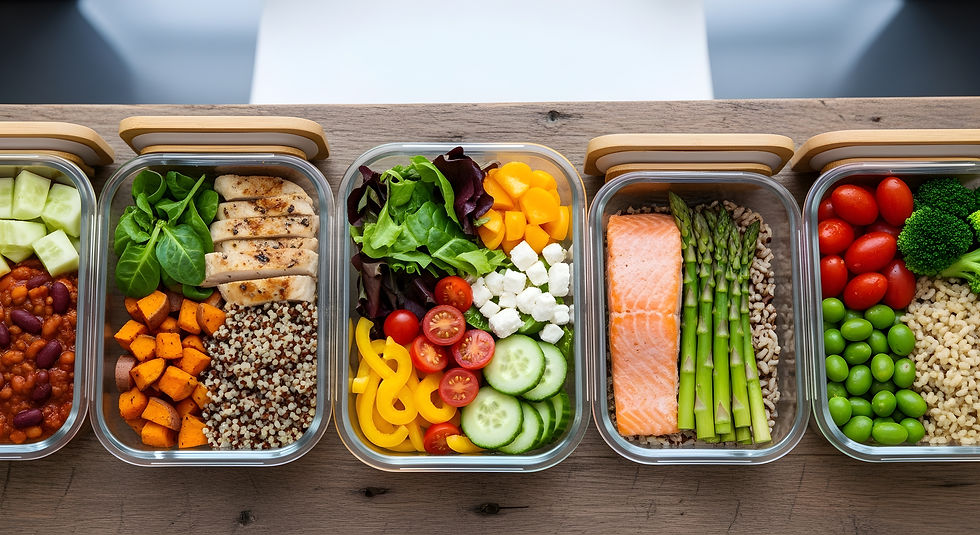
And if you enjoy cooking more, you might prep several meals at once for easy grab-and-go options.
Take a moment to think about your upcoming week:
Which nights will you have time to cook?
Which nights will you need something quick?
What meals would help make your week easier?
Meal planning works best when it supports your schedule, not fights against it.

Stock a Few Simple Staples
Having a few go-to ingredients on hand makes throwing together quick meals much easier.
Some helpful staples include:
lean proteins (chicken, turkey, fish, eggs)
fresh or frozen fruits and vegetables
whole grains like brown rice, quinoa, and oats
canned staples like beans, lentils, and diced tomatoes
herbs, spices, and seasonings
Some of these items you'll buy weekly, while others can be stocked up in bulk.
Pro Tip: Keep a running grocery list on your fridge or phone. That way when you notice you're running low on staples — like fruit, Greek yogurt, nuts, or almond milk — you can easily add them to your next grocery trip.
Step 2: Decide What to Make
A simple way to narrow down meal ideas each week is to use theme nights.
The idea is easy: assign a general theme to certain days of the week. This helps remove the daily “What’s for dinner?” decision.
For example:
Monday → Mexican
Tuesday → Leftovers
Wednesday → Chicken
Thursday → Pasta
Friday → Bowls or salads
You can make the themes anything you enjoy. The goal isn’t rigid rules — it’s simply creating a helpful structure.
Once you have a few themes in place, choosing meals becomes much easier. You can also make better use of ingredients you already have on hand.
For example:
Black beans work perfectly for Mexican night
Extra vegetables can pair with chicken or stir-fries
Pasta in the pantry makes pasta night effortless
Theme nights can also make meal planning more fun for the whole household. If you have kids at home, ask them to help choose a theme. If you share cooking duties with a partner, you can divide up certain nights of the week.
The more people feel involved, the easier it is to keep the habit going.
And once you get comfortable with your routine, you can explore new recipes to keep things interesting. Pinterest searches, cookbooks, and simple food blogs can all provide fresh ideas when you want to mix things up.
Remember, the goal isn’t complicated meals.
It’s making healthy eating simple, flexible, and sustainable.
The Takeaway
Meal planning is simply a tool to make your life easier.
When you start with what you already have, build a few flexible meal ideas, and create a rhythm that fits your schedule, healthy eating becomes much more manageable.
It might take a little trial and error at first, but once you find a system that works for you, meal planning can save you time, reduce stress around food, and help you stay consistent with your goals.
Looking for More Easy Meal Ideas?
Eating better doesn't have to mean spending hours planning meals or preparing complicated recipes.
For more practical meal ideas, protein-packed recipes, and simple nutrition tips for busy days, explore the Mind + Body Elite Blog.


