
How to Start Exercising After 40 (A Beginner-Friendly Guide)

You know movement is important… but getting started can feel like the hardest part.
Maybe you’re short on time.
Maybe your energy isn’t what it used to be.
Or maybe you’ve tried before and felt frustrated when the results didn’t match the effort.
And if you’re in midlife, it can feel even more confusing — because what used to “work” doesn’t always work the same way anymore.
You’re not alone.
But here’s the good news:
Getting started doesn’t have to mean jumping into intense workouts, long gym sessions, or doing anything you dread.
Because exercise isn’t just about weight loss or changing how your body looks.
It’s about how you feel.
More energy.
Better mood.
Stronger body.
Clearer mind.
And when you approach movement in a way that fits your life, it becomes something you can actually stick with.

What Happens When You Start Moving More
When you make movement a regular part of your routine — even in small ways — your body starts to respond.
You may notice:
more energy throughout the day
improved focus and mental clarity
better sleep quality
reduced stress and improved mood
increased confidence
stronger bones and muscles
improved heart health
support for overall disease prevention
These benefits go far beyond the scale — and they’re often the first signs that what you’re doing is working.
So, Where Do You Start?
The good news? You don’t need a gym membership or a perfect routine to get started.
Movement can be built into your day in simple, realistic ways — especially when you focus on doing a little more, more often.

Start with Everyday Movement
If you spend a lot of time sitting — whether at a desk, in the car, or at home — small movement breaks can make a big difference.
Try:
taking short walks throughout the day
pacing while on phone calls
walking instead of emailing when possible
adding a quick lap around the house or office between tasks
using stairs when you can
These small bursts of movement help increase your daily activity, boost energy, and reduce stiffness — without needing to carve out a full workout.
And they add up faster than you think.

Chores Count as Movement
Not all movement has to look like a workout.
Everyday tasks — like cleaning, gardening, or yard work — can actually be a great way to stay active.
Think:
vacuuming or scrubbing floors
yard work or gardening
washing the car
organizing or moving things around the house
These activities engage multiple muscle groups and support functional movement — the kind that helps you move better in your day-to-day life.
It may not feel like a traditional workout, but it absolutely counts.
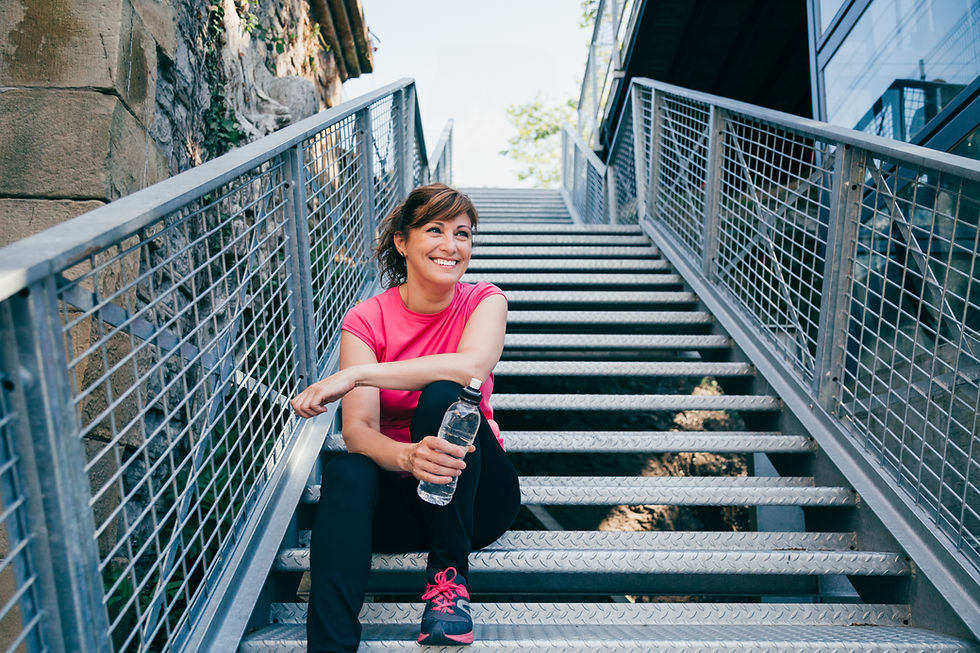
Walk More When You Can
One of the easiest ways to move more?Look for small opportunities to walk throughout your day.
Try:
parking a little farther from the entrance
taking the long way when it makes sense
walking into stores instead of circling for the closest spot
adding a quick lap before or after errands
These extra steps may seem small, but they add up quickly — and can make a noticeable difference in your daily activity, energy, and overall consistency.

Make It Short and Doable
You don’t need an hour-long workout to get started.
In fact, shorter sessions are often more effective for building consistency — especially in midlife when energy and schedules can vary day to day.
Try:
a 10–15 minute walk
a quick strength circuit
a short stretch session
The goal isn’t doing more — it’s doing something.
Because consistency beats intensity every time.
Bottom Line
There are so many ways to get moving — and it doesn’t have to feel like a chore.
Start small.
Even 10–20 minutes of movement a day can make a difference.
A short walk at lunch.A quick bike ride.A walk-and-talk with a friend.Or simply setting a reminder to get up and move throughout your day.
It all counts.
When you keep it simple, it becomes doable.
And when it’s doable, it becomes consistent.
And that’s where real progress happens.
Looking for a simple place to start?
Weight loss during menopause can feel different—but it doesn't have to feel impossible.
Download my free 12-page guide, How to Lose Weight During Menopause, to learn the 5 habits that support energy, muscle, metabolism, and lasting results—without restrictive diets or hours in the gym.


