
5 Ways to Get the Most From Outdoor Exercise (In Any Season)

Updated: 4 days ago
Getting outside is one of the simplest ways to make movement feel better.
Fresh air, changing scenery, and a break from your usual routine can boost your mood, increase energy, and make exercise feel less like a chore.
But let’s be real — outdoor workouts don’t always go as planned.
The weather shifts.
The temperature drops.
What started as a great idea can quickly feel uncomfortable.
The key?
Being prepared.
Because when you’re set up for it, outdoor movement becomes something you look forward to — not something you cut short.
1. Stay Hydrated
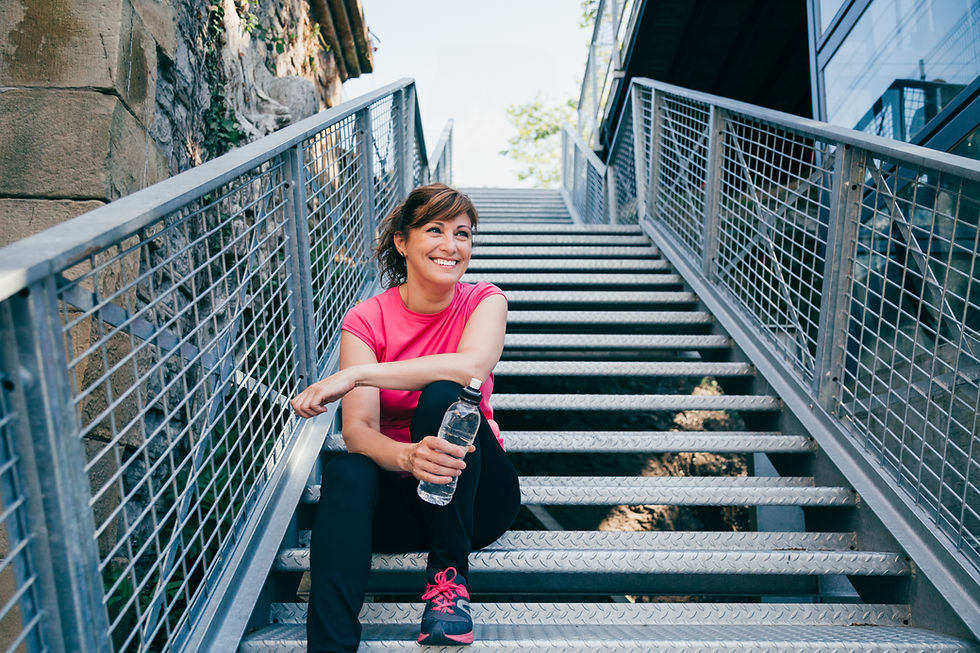
Hydration matters year-round — especially when you’re exercising outdoors.
It’s easy to think you only need to drink more in warmer weather, but your body still needs fluids in cooler temperatures too.
A simple approach:
drink before you head out
sip during your workout
rehydrate afterward
And don’t wait until you feel thirsty — that’s often a sign you’re already a bit dehydrated.
2. Dress in Layers
When it comes to outdoor exercise, the right clothing makes all the difference.
Layering helps you stay comfortable as temperatures and your body heat change.
Choose pieces that are:
• moisture-wicking (like wool or polyester)
• easy to remove or add
• breathable and lightweight
Think layers like a light jacket, vest, or long sleeve you can adjust as you warm up.
Because when you’re dressed for it, you’re far more likely to enjoy it — and stick with it.
3. Know Your Terrain
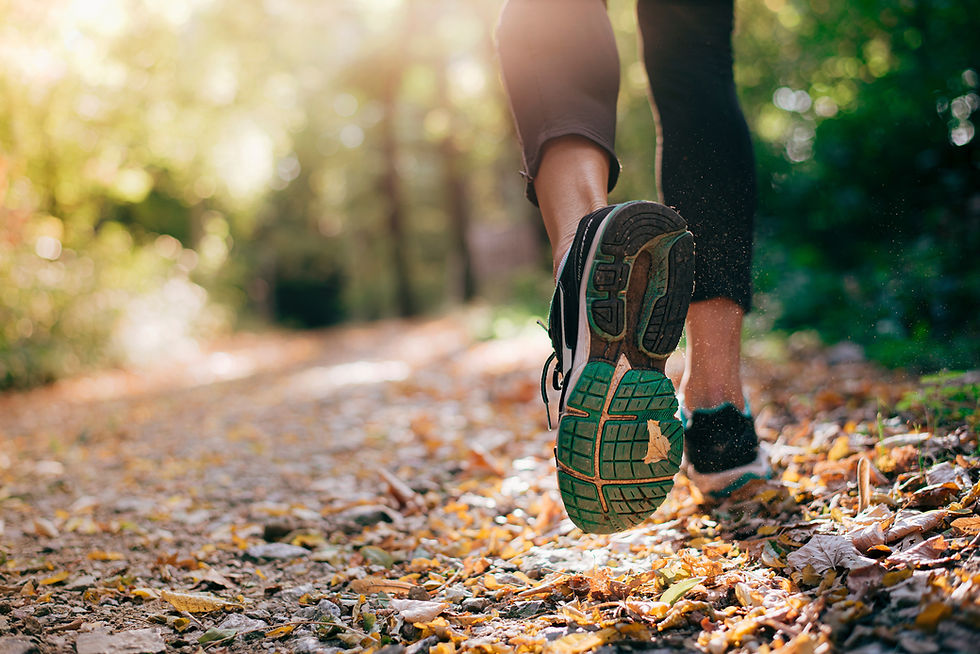
Outdoor movement isn’t as predictable as a treadmill — and that’s not a bad thing.
Different surfaces, hills, and weather conditions can all change how your body moves and feels.
Keep in mind:
uneven or slick surfaces can affect balance
hills add intensity (both up and down)
harder surfaces may increase impact
Pay attention to how your body feels and adjust your pace or footing as needed.
And don’t skip a quick warm-up and stretch — your muscles and joints will thank you.
4. Have a Plan
Before you head out, take a minute to think it through.
Knowing your route, timing, and what you might need can make your workout smoother — and safer.
Consider:
where you’re going
how long you’ll be out
what you may need along the way
If you’re heading out solo, let someone know your plan and expected return time.
And bring the basics:
water
sunscreen
a small snack
ID or emergency contact info
A little preparation goes a long way in helping you feel more confident and enjoy your time outside.

5. Make It Enjoyable
The more you enjoy your time outside, the more likely you are to keep doing it.
Outdoor workouts don’t have to be serious or structured to “count.”
Try:
listening to a podcast or music
bringing a friend along
choosing a route you actually enjoy
mixing up your routine to keep it interesting
Because when movement feels good, it becomes something you look forward to — not something you have to push yourself to do.
Bottom Line
Outdoor exercise can be one of the most enjoyable ways to move your body.
With a little preparation, it becomes easier to stay comfortable, safe, and consistent — no matter the season.
Because when movement feels good, you’re far more likely to keep coming back to it.
And that’s where real results happen.
Looking for More Simple Tips & Inspiration?
Healthier living doesn't have to mean spending hours planning meals or crushing every workout.
For more practical meal and fitness ideas, protein-packed recipes, and simple midlife tips for busy days, explore the Mind + Body Elite Blog.


